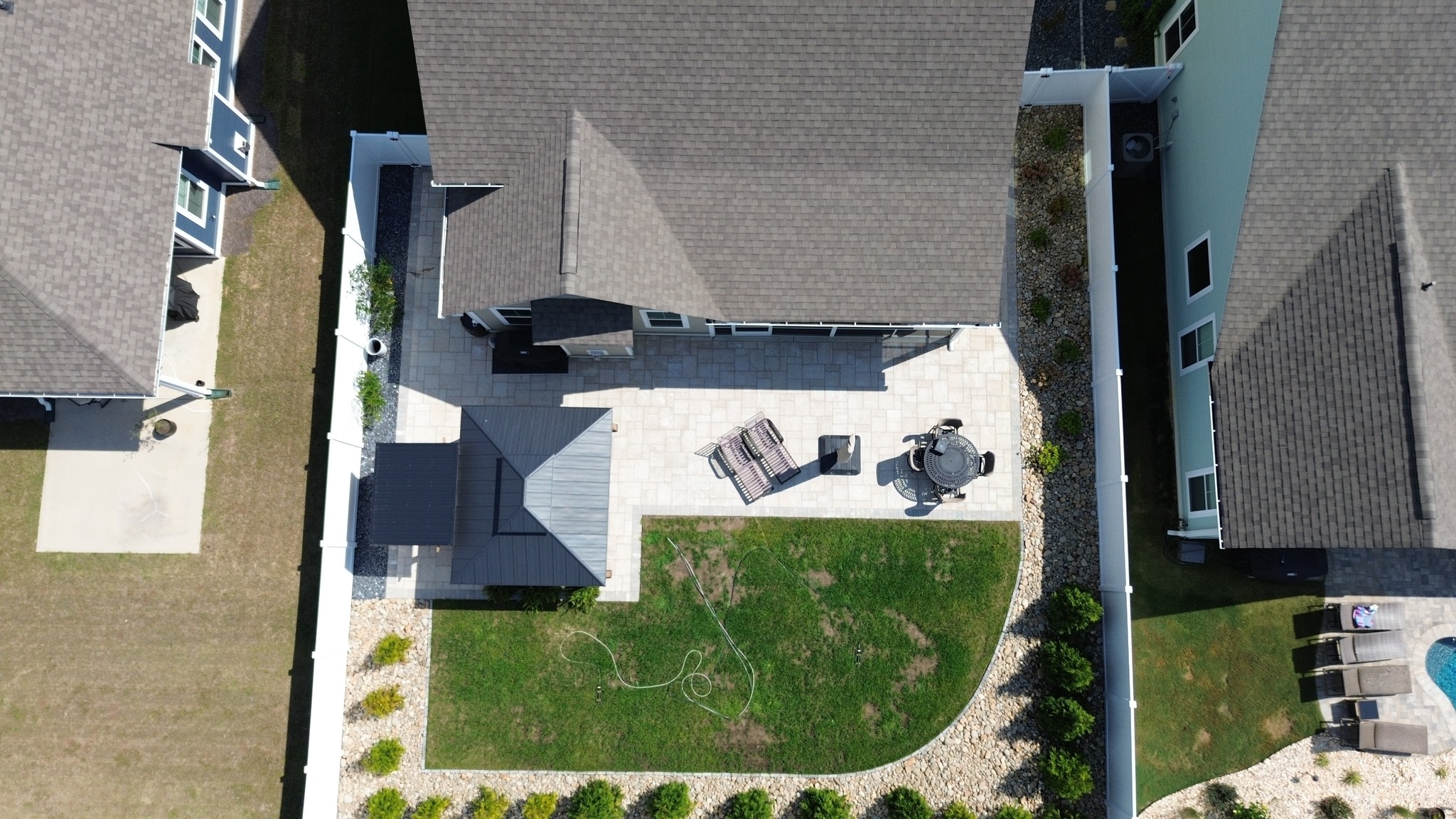
Creating a Wildlife-Friendly Habitat: Tips from Cody’s Lawn & Landscape Jul 08, 2026
Understanding the local wildlife is the first step toward creating a habitat that meets their needs. Research the species native to your area and what resources they require. This helps in making informed decisions about the plants and elements to incorporate in your landscape. Native plants are a crucial part of this process as they naturally attract the local fauna by providing food and shelter. Consider plant species that offer blooms throughout the year to ensure a continuous food supply for pollinators like bees and butterflies.
Another essential element is providing water sources. Installing a birdbath or a small pond can make a significant difference, especially in dry climates. These water features not only aid in hydration but also serve as a gathering spot for various species. Remember to keep these water sources clean and replenished regularly to encourage repeat visits from wildlife.
Shelter is another critical component of a wildlife-friendly habitat. Tall grasses, dense shrubs, and stacks of logs or brush provide ideal nesting and hiding spots for different creatures. Incorporate a variety of structures to accommodate the diverse preferences of wildlife in your area. For instance, while some birds prefer to nest in trees, others may choose thick shrubs or even man-made birdhouses.
Reducing chemical use in your landscaping is beneficial for both the environment and the inhabitants of your garden. Pesticides and fertilizers can deter or harm wildlife, disrupting the delicate balance of your backyard ecosystem. Opt for organic solutions whenever possible and embrace natural pest control methods, such as introducing beneficial insects that prey on common pests.
To enhance the appeal of your garden to wildlife, consider incorporating diverse vegetation layers. This means having a mix of ground covers, herbaceous plants, shrubs, and trees that provide varied resources and habitats. A multi-layered approach not only supports more species but also adds depth and interest to your landscape design.
Creating a wildlife-friendly habitat doesn’t mean neglecting aesthetics. At Cody’s Lawn & Landscape, we can help design a garden that marries the beauty of well-planned landscaping with ecological benefit. Our team is experienced in selecting the right plants and design features that suit both the needs of wildlife and your personal preferences.
By following these guidelines, you can enjoy the satisfaction of contributing to wildlife conservation while also enriching your outdoor living space. A garden that buzzes with life becomes an oasis of beauty and serenity, offering endless opportunities for observation and learning. For more personalized advice and services tailored to your space, contact the experts at Cody’s Lawn & Landscape. We’re here to help you create a landscape that not only looks good but also does good for the environment.
Embrace the journey towards a more sustainable and wildlife-friendly garden today, and watch your backyard transform into a vibrant haven for both you and the creatures around you.
/filters:no_upscale()/filters:format(webp)/media/81e825b5-1dae-4f35-bc5c-d3158c22433c.jpeg)